Organic Beekeeping
Bees are very important for the ecological balance in agriculture and forestry as they pollinate plants.
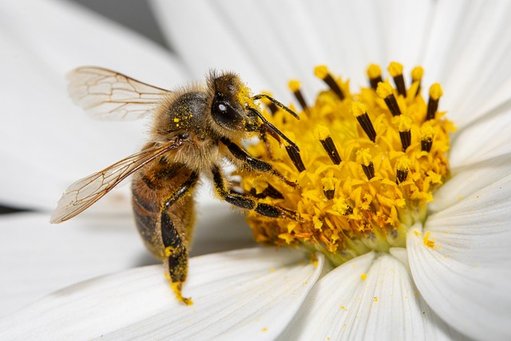
Bees are very important for the ecological balance in agriculture and forestry as they pollinate plants. Organic beekeeping requires the maintenance of bee colonies under conditions suitable for the species, the use of resistant bee varieties, the construction of houses from natural substances with residue-free honeycombs and wax middle walls from organic production units, and the use of organic acids or essential oils to eliminate varroa disease.
Hives must be placed so that the plants providing nectar and pollen within the flight radius of the bee colonies are on organically farmed land or from crops and/or wild plants that do not compromise the organic quality of the beekeeping products.
If feeding is necessary for the survival of a bee colony, the bees should be fed with honey from an organic beekeeping unit, organic sugar or organic syrup. All activities involving the bee colony should be recorded, such as honey extraction, feeding, varroa eradication. Maps should be kept of the locations of the hives and be available for inspection.
Beekeeping products can be placed on the market with a reference to organic production only if the production has complied with organic regulations for at least one year.