Organic Farming
Organic agricultural production is the basis for the production of healthy and high-quality organic products.
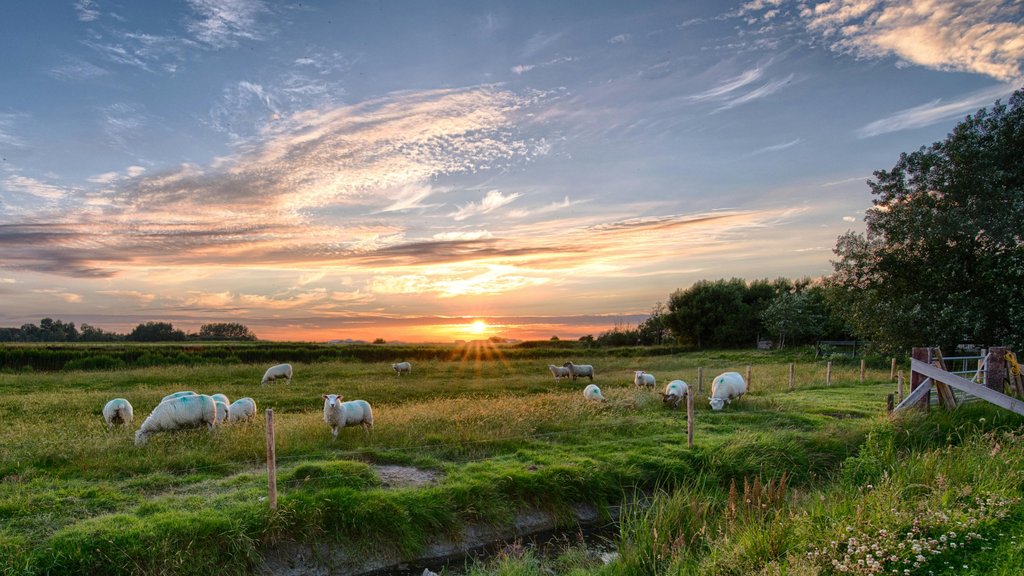
Organic agricultural production is the basis for the production of healthy and high-quality organic products. The legislative authority has laid down all the regulations for the production, processing and labelling of organic products in the Organic Regulation, Commission Regulation (EC) No. 834/2007 and its accompanying directives, Commission Regulation (EC) No. 889/2008.
Fertile soil, maintained by implementing diversified crop rotations and livestock farming appropriate to local conditions, provides the nutrients for healthy, strong plants, thus forming the basis for organic farming. Preventive measures, such as choosing appropriate varieties, protect plants from disease.
High animal welfare standards, regular access to open areas or pastures, feeding with organic feed, husbandry practices that enhance natural immunity, and the use of herbal and homeopathic medicines assure the consumer that food is produced of high quality.
The transition to organic farming begins with the farm registering for the inspection process with the inspection body. At this point, the entire agricultural enterprise with all its production lines is recorded in a business description.
LACON certifies with auditors who have practical experience: agronomists, farmers, beekeepers, gardeners, winegrowers, fish farmers and fruit tree growers. The LACON auditor carries out a scheduled inspection once a year and may carry out additional unscheduled inspections during the year, during which seeds, propagation material, fertilizers, plant protection products, animal purchase, animal feeding and housing, balancing of quantities and labelling of organic products are verified. The permitted exemptions from certain regulations of the EU Organic Regulation are also verified by the LACON auditor.